

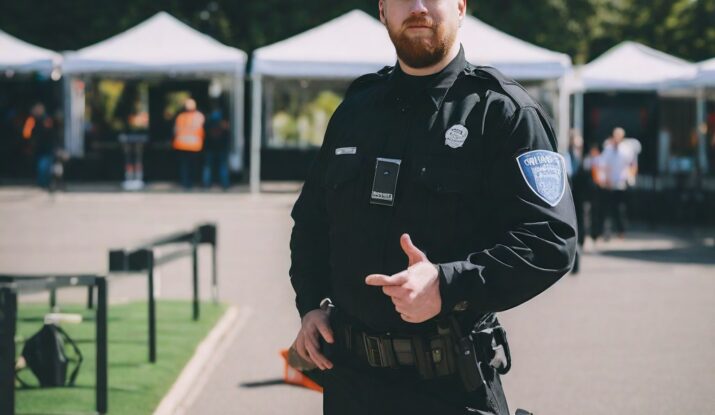
Whether it’s a corporate conference, a music festival, or a private wedding, the success of an event heavily relies on the security arrangements in place. Event security is crucial for crowd control, emergency response, and safeguarding guests.
Understanding Event Security Event security includes planning, managing, and executing a strategy that ensures the safety of everyone present. This covers access control, surveillance, VIP protection, and emergency medical response.
Core Responsibilities of Event Security Personnel
- Access Control: Ensuring only authorized individuals enter the venue.
- Crowd Management: Monitoring crowd behavior to prevent overcrowding and violence.
- Asset Protection: Preventing theft or vandalism of equipment and property.
- Emergency Preparedness: Coordinating evacuations or medical aid during emergencies.
- Liaising with Law Enforcement: Coordinating with police or fire departments as needed.
Why You Need Professional Event Security
- Risk Mitigation: Professionals are trained to anticipate and neutralize threats.
- Peace of Mind: Organizers can focus on the event, knowing safety is handled.
- Reputation Protection: A safe event builds your brand credibility and encourages future participation.
Customizing Security Based on Event Type
- Corporate events may need discreet security.
- Concerts require crowd control and gate security.
- Weddings benefit from guest list management and parking control.
Pre-Event Planning Checklist
- Conduct a risk assessment.
- Set up communication systems.
- Train staff on emergency procedures.
- Schedule post-event reviews.
Hiring professional event security is not just a regulatory necessity; it’s a strategic decision that can determine the success or failure of your event.